Source IP68 Waterproof Cold Shrink Tubing for Electrical, Mining, and Automotive
Find 30 listings for IP68 waterproof cold shrink tubing suitable for electrical, mining, and automotive applications. Buyers can compare specifications, certifications, and pricing to select the right insulation sleeve for wire and cable protection.
Key considerations
Products List


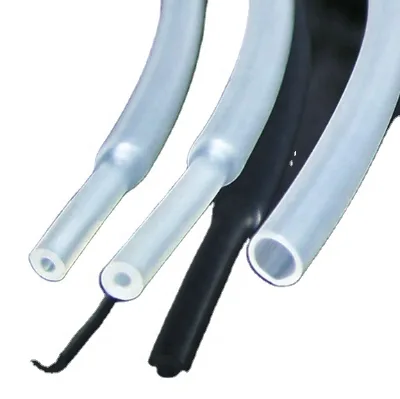


Comprehensive Sourcing Guide
Strategic Sourcing Guide for IP68 Waterproof Cold Shrink Tubing
Understanding the Technical Architecture of Cold Shrink Solutions
When sourcing IP68 waterproof cold shrink tubing, buyers must first distinguish between the material chemistry and the mechanical performance required for specific environments. The core product category often centers on silicone rubber or EPDM (Ethylene Propylene Diene Monomer) formulations, each offering distinct advantages in physicochemical and electrical properties. Silicone rubber variants are frequently cited for their excellent weather resistance, ozone aging resistance, and UV stability, making them suitable for harsh outdoor conditions. In contrast, EPDM options provide robust flexibility and are often utilized in communication and automotive harnessing applications where chemical resistance is paramount.
The defining characteristic of cold shrink technology is the shrink ratio, which dictates how the tubing conforms to irregular cable geometries. Observed market data indicates a typical shrink ratio of 5:1, allowing a single tube size to accommodate a wide range of cable diameters. This high degree of elasticity ensures a tight seal without the need for heat guns, reducing installation time and the risk of thermal damage to the underlying insulation. The material must also possess high tensile strength, with specific observations noting values around 39 N/mm, and exceptional elongation at break, often reaching 840%. These mechanical attributes ensure the tubing can withstand physical stress during installation and remain intact under vibration or thermal expansion cycles.
Electrical performance is equally critical. The dielectric strength of the material serves as a primary barrier against electrical breakdown. In verified product specifications, dielectric strength values of 23 kV/mm have been recorded, providing a significant safety margin for low-voltage applications. The voltage rating for many standard cold shrink tubes is typically 1 kV or less, though some heavy-duty variants may support maximum voltages up to 10 kV. Buyers must verify the specific voltage rating against their system requirements to ensure the insulation sleeve provides adequate protection for the intended electrical load.
Compliance and Certification Verification Protocols
Navigating the compliance landscape for industrial tubing requires a rigorous verification process. While suppliers may list various certifications, buyers must treat these as observations of specific product batches rather than universal guarantees for all inventory. Common certifications observed in the market include ISO, CE, RoHS, and CCC. The presence of ISO certification, particularly ISO9001, indicates a manufacturer's adherence to quality management systems, which is a strong indicator of process consistency.
RoHS compliance is a critical standard for electronic and electrical components, ensuring the absence of restricted hazardous substances. Similarly, the CCC (China Compulsory Certification) is essential for products entering the Chinese market, while CE marking is a prerequisite for European distribution. Buyers should also look for specific performance certifications such as IP68, which certifies the product's ability to be dust-tight and submerged in water under specific conditions. Some listings also mention UV resistance and ozone aging certifications, which are vital for outdoor applications where environmental degradation is a primary failure mode.
It is important to note that standards like UL224 or IEC529 may be referenced in broader industry contexts, but their specific application to a given product must be confirmed through direct documentation. Buyers should request test reports that explicitly link the product model to the claimed standard. For instance, a product model designated as RUBLS-SILIC or RUBLS-EPDM may have different compliance profiles. The procurement strategy must involve a cross-check of the supplier's current certification status against the specific batch of goods being ordered, as certifications can be product-specific and subject to renewal.
Cost Drivers and Economic Factors in Procurement
The pricing structure for cold shrink tubing is influenced by a complex interplay of material costs, customization requirements, and order volume. The observed price range in the market spans from $0.01 to $159.91, reflecting the vast difference between single-unit samples and bulk industrial orders. This wide variance underscores the importance of understanding the cost drivers before initiating a purchase. The primary cost driver is the raw material; silicone rubber generally commands a higher price point than EPDM due to its superior thermal and UV stability.
Customization is another significant factor. While standard products are available with fixed specifications, custom dimensions, colors, or specialized chemical formulations can increase the unit cost. The "Available" customization attribute suggests that buyers can tailor the product to specific needs, but this flexibility often comes with a premium. Additionally, the packaging method plays a role in logistics costs. Standard carton packages and export-standard cartons are common, but specialized packaging for fragile or high-value items may incur additional fees.
Minimum Order Quantity (MOQ) requirements also impact the effective cost per unit. The observed MOQ range is from 1 to 2000 units, with many suppliers setting a baseline of 100 pieces for standard items and as low as 10 pieces for specific samples or niche applications. For large-scale procurement, negotiating a lower MOQ or a tiered pricing structure can significantly reduce the total cost of ownership. Buyers should also consider the lead time, which is often cited as one week for standard items, against the cost of expedited shipping. Fast express delivery options are available but typically come at a higher price point, which must be weighed against the urgency of the project timeline.
Typical Applications and Industry Use Cases
The versatility of IP68 waterproof cold shrink tubing makes it applicable across a diverse range of industries. In the electrical sector, these tubes are primarily used for wire and cable protection, providing insulation and waterproofing for joints and terminations. The typical use cases extend to communication infrastructure, where the tubing protects sensitive data lines from moisture and environmental contaminants. In the mining industry, the robust nature of the tubing, combined with its excellent physicochemical properties, makes it suitable for harsh, dusty, and wet environments.
Commercial and automotive applications also represent a significant market segment. In automotive harnessing, the flexibility and vibration resistance of the tubing are crucial for protecting wiring in engine compartments and undercarriages. The product is also utilized in lighting decoration and optical cable protection, where the aesthetic and functional requirements demand a high degree of reliability. Specific applications include HDMI cables, DVI lines, and earphone lines, where the tubing provides a secure seal against dust and water ingress.
The classification of these products as hybrid insulation materials or organic insulation suggests their adaptability to various chemical environments. Whether used for insulation protection in machine protection scenarios or for general wire and cable protection, the key is matching the material properties to the environmental stressors. For example, a product with a thermal rating of 250°C may be required for high-temperature industrial machinery, while a standard 1 kV rated tube may suffice for general commercial wiring. Buyers must carefully map the application requirements to the specific product attributes to ensure long-term reliability.
Supplier Evaluation and Quality Control Standards
Evaluating a supplier for cold shrink tubing requires a multi-faceted approach that goes beyond price comparisons. The origin of the product, often China, is a common factor, but the specific manufacturing capabilities and quality control processes are more critical. Buyers should verify the supplier's ability to provide free samples for existing products, as this allows for physical testing of the shrink ratio, tensile strength, and dielectric strength before committing to a bulk order. The availability of samples is a strong indicator of a supplier's confidence in their product quality.
Quality control should be anchored in the supplier's adherence to international standards. The presence of ISO9001 certification is a baseline requirement, but buyers should also inquire about in-house testing capabilities. Specific attributes like the IP68 rating, UV resistance, and ozone aging performance must be validated through third-party test reports. The supplier should be able to provide data on the tensile strength and elongation at break, ensuring these values meet or exceed the industry benchmarks observed in the market.
Furthermore, the packaging and logistics capabilities of the supplier are essential for maintaining product integrity. Standard carton packages and export-standard cartons are designed to protect the tubing during transit, but buyers should verify that the packaging is suitable for the specific shipping conditions. The delivery time, typically one week for standard orders, should be confirmed to ensure it aligns with the project schedule. Suppliers offering fast express delivery with competitive pricing provide an added layer of flexibility, but the reliability of the delivery service must be assessed to prevent supply chain disruptions.
Long-Term Procurement and Lifecycle Management
Sourcing IP68 waterproof cold shrink tubing is not merely a transactional activity but a strategic decision that impacts the long-term reliability of electrical and communication systems. Buyers should consider the lifecycle of the product, including its resistance to weathering, ozone aging, and UV exposure. Products with documented performance in these areas will offer a longer service life, reducing the frequency of maintenance and replacement. The "Good Weather Resistance" and "Ozone Ageing" attributes observed in the market are key indicators of this longevity.
Inventory management is another critical aspect of long-term procurement. With an MOQ range of 1 to 2000 units, buyers can optimize their inventory levels by balancing the cost of holding stock against the risk of supply shortages. For critical applications, maintaining a buffer stock of standard sizes can prevent downtime. Additionally, the availability of customization allows for future-proofing, as the product can be adapted to evolving system requirements without needing to switch suppliers.
Finally, buyers should establish a long-term relationship with suppliers who demonstrate consistency in quality and compliance. The ability to provide consistent certification documentation, such as RoHS and CE, ensures that the procurement process remains compliant with regulatory changes. By focusing on suppliers who offer free samples, competitive pricing, and reliable delivery times, buyers can build a resilient supply chain that supports the operational needs of their organization over the long term.
FAQs
What certifications are available for this tubing?
Certifications include ISO, CE, RoHS, CCC, and IP68. These apply to specific product batches and models like RUBLS-SILIC, not universally to all inventory.
How flexible is the cold shrink tubing material?
The tubing is flexible with an elongation at break of 840%. This high elasticity allows it to conform to irregular cable geometries without heat.
What is the typical shrink ratio for this product?
The typical shrink ratio is 5:1. This allows a single tube size to accommodate a wide range of cable diameters effectively.
Can I get free samples for existing products?
Yes, free samples are available for existing products. This allows buyers to physically test attributes like tensile strength before bulk ordering.
What is the lead time for standard orders?
The delivery time is typically one week for standard items. Fast express delivery options are also available at a higher price point.
Which voltage ratings are supported by this tubing?
Voltage ratings are typically 1 kV or less, with some variants supporting up to 10 kV. Buyers must verify specific ratings against system requirements.